
In May 2023, Florida House Bill 379 (CS/HB 379) was enacted, titled “Technology in K-12 Public Schools,” introducing significant changes to the use of technology within the state’s public education system. Effective from July 1, 2023, this legislation aims to enhance student safety, promote responsible digital behavior, and minimize distractions in the classroom.
Key Provisions of Florida House Bill 379
- Internet Safety Policies
- Block access to inappropriate or unsafe content.
- Ensure student safety during online activities.
- Social Media Restrictions
- Ban social media use during school hours unless for educational purposes.
- Prohibit TikTok on district devices and networks.
- Classroom Device Usage
- Devices must be stored during class unless used for learning.
- Teachers must designate areas for students’ wireless devices to minimize distractions.
- Social Media Education
- Educate students on the mental health impact of social media.
- Teach about cyberbullying, misinformation, and online security.
Generation Faraday’s Role in Promoting Digital Responsibility
The rising concerns about digital distractions and mental health in schools have sparked initiatives like Generation Faraday, which advocates for creating distraction-free learning environments. Generation Faraday emphasizes the importance of reducing phone use in educational settings to help students focus on learning, reduce anxiety, and prevent social media-related pressures.
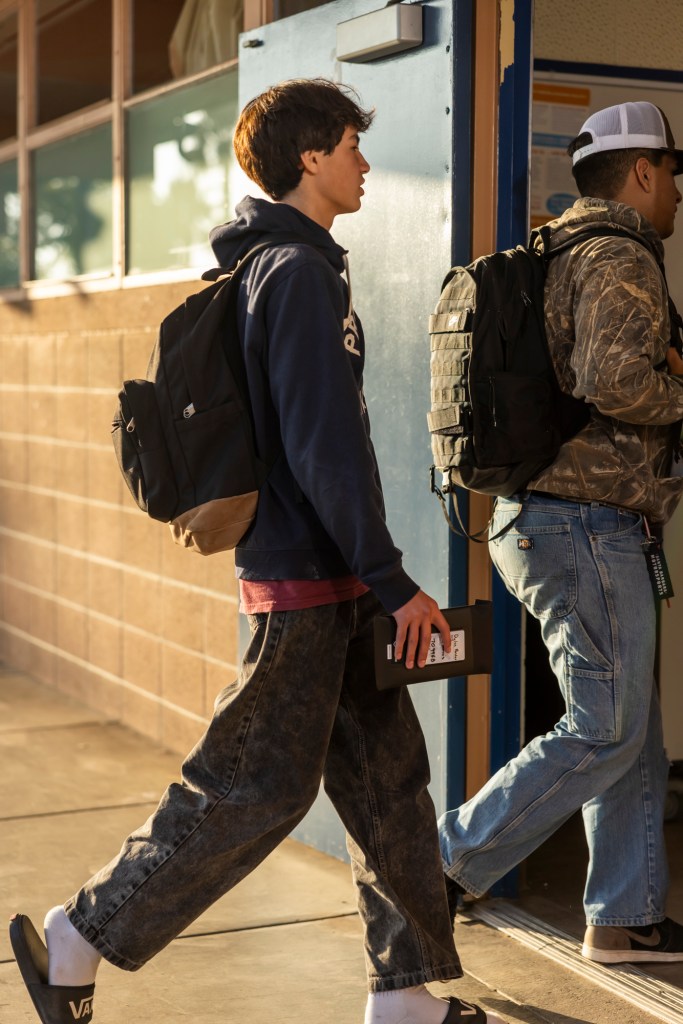
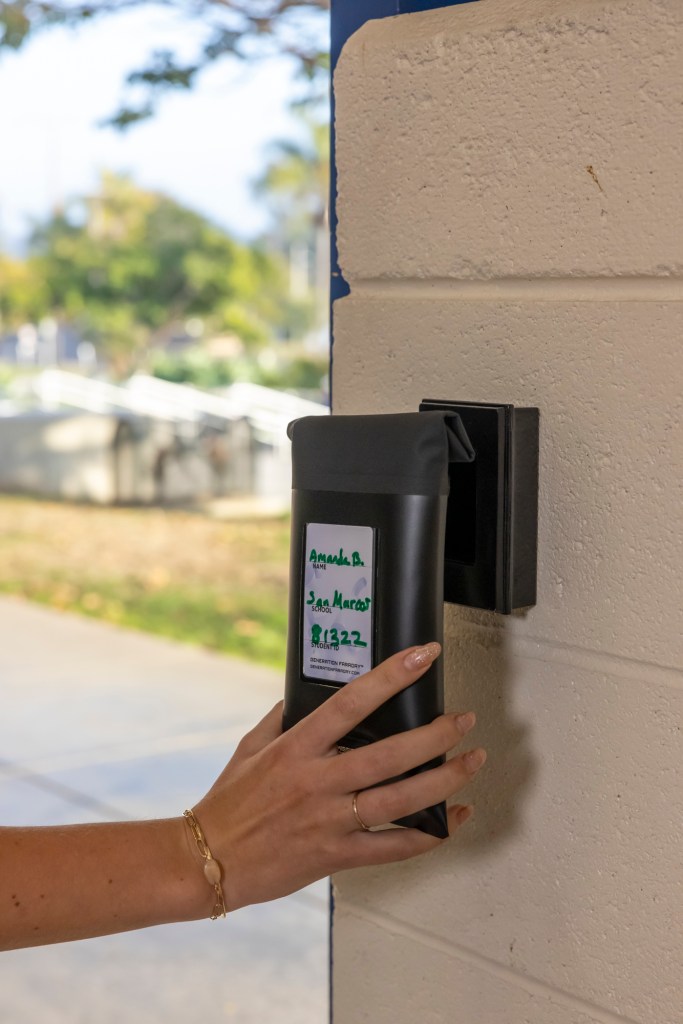
In line with CS/HB 379’s goals, Generation Faraday provides schools with tools such as Faraday bags, which block phone signals and prevent students from accessing distracting content during class. These bags help enforce phone-free policies while promoting an environment that encourages mindful engagement with educational content.
As schools across Florida and the nation grapple with the challenges of balancing technology in classrooms, Generation Faraday is making strides in supporting these efforts by offering simple, practical solutions to ensure that technology serves as a tool for learning, not a source of disruption.
Reactions and Implications
The implementation of CS/HB 379 has elicited mixed reactions. Proponents argue that restricting cell phone use during instructional time reduces distractions, enhances student engagement, and addresses mental health concerns associated with excessive social media use. They also emphasize the importance of educating students about the potential risks of social media to foster responsible digital citizenship.
Critics, however, contend that outright bans may overlook the educational benefits of technology and social media when used appropriately. They advocate for a balanced approach that integrates technology into learning while teaching students to navigate digital spaces responsibly. Some also express concerns about limiting students’ ability to communicate during emergencies.
As of January 2025, the trend of restricting cell phone use in schools has gained momentum across various states. States like Arkansas and California have enacted or proposed similar bans, reflecting a growing bipartisan consensus on the issue.
In summary, Florida’s house bill 379 represents a significant legislative effort to regulate technology use in K-12 public schools. By implementing comprehensive Internet safety policies, restricting non-educational use of devices, and mandating social media education, the state aims to create a safer and more focused learning environment while preparing students to navigate the complexities of the digital world responsibly.