
In July 2024, the Virginia Department of Education passed Executive Order 33, establishing a phone-free education policy to promote the health and safety of Virginia’s K-12 students. As part of this initiative, all school divisions were required to adopt policies and procedures enforcing the new regulations by January 1, 2025.
The Rationale Behind the Law
The decision to implement a phone-free school environment is backed by extensive research highlighting the negative impact of smartphone use on academic performance and mental health. Studies show that excessive screen time can contribute to anxiety, poor social skills, and reduced attention spans in students. By minimizing smartphone distractions, Virginia aims to foster a more focused and productive learning environment.
This initiative is part of a broader movement, with other states, including New York, considering similar policies to address the growing concern over smartphone distractions in schools.
Understanding Executive Order 33
Executive Order 33 mandates the Virginia Department of Education to provide age-appropriate guidelines for restricting or eliminating cell phone use during instructional time in public schools. In consultation with stakeholders, the state defined instructional time as “bell-to-bell” for all grade levels, ensuring a consistent approach to enforcement.
K-12 Cell Phone Rules Under Executive Order 33:
- Elementary school students: Cell phones and personal electronic communication devices are not permitted within the school building or on school grounds.
- Middle school students: Cell phones and personal electronic communication devices are prohibited during the bell-to-bell school day.
- High school students: Cell phones and personal electronic communication devices are prohibited during the bell-to-bell school day.
- Exceptions: Students with an Individualized Education Program (IEP) or a 504 Plan may receive exemptions as needed.
- Emergency Communication: Each school has emergency communication plans in place, and family emergencies must be communicated through the front office.
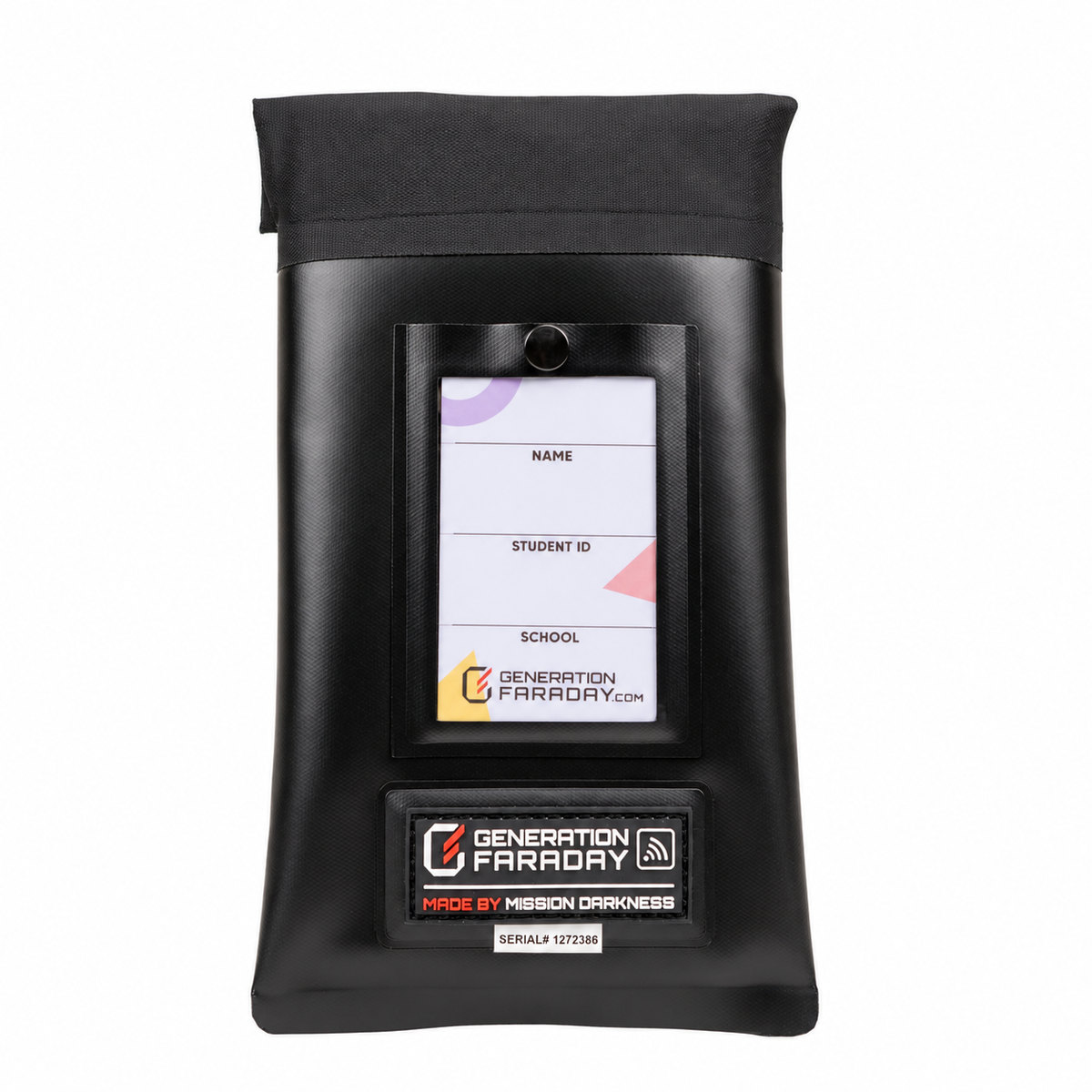
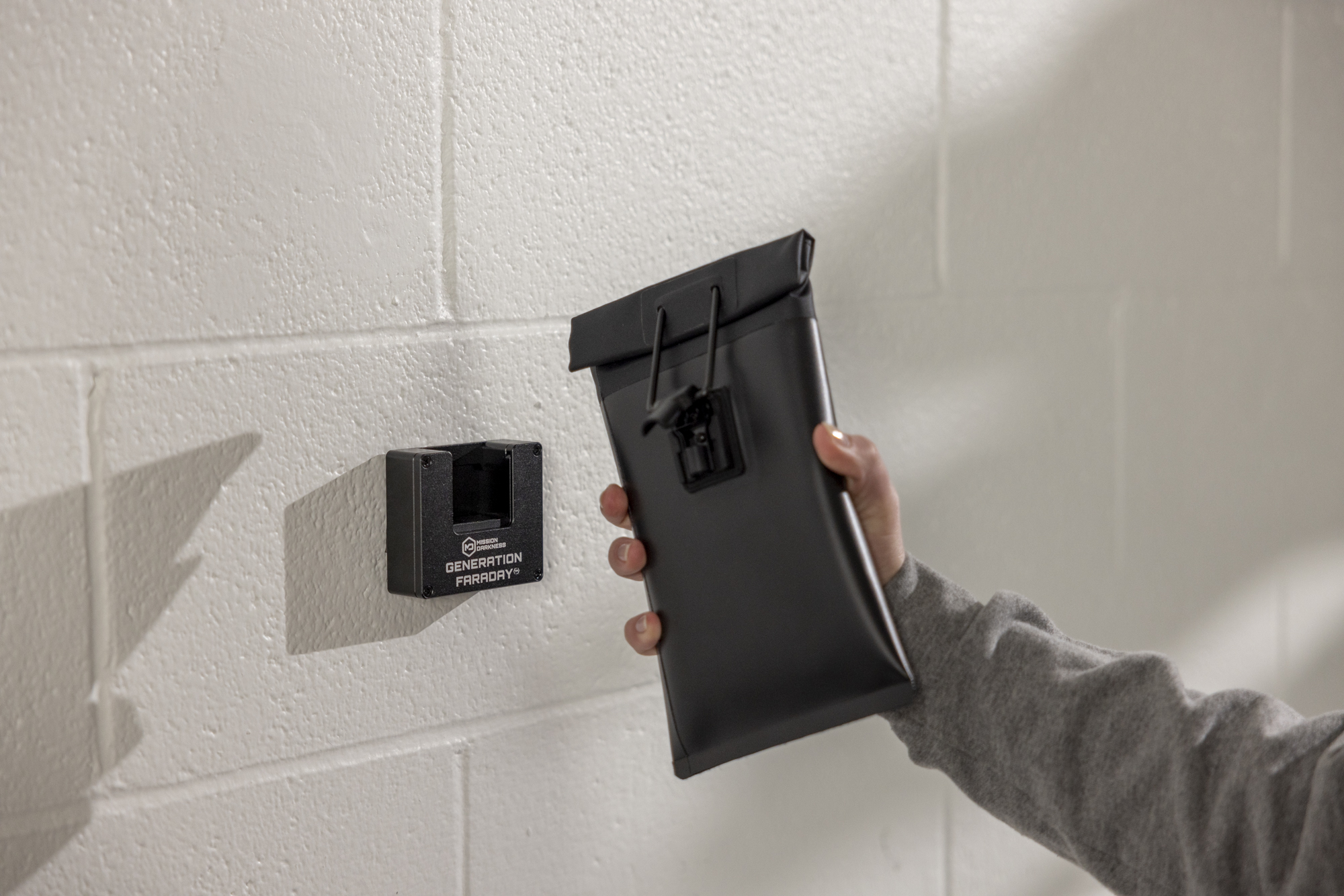
Supporting Phone-Free Policies: The Role of Generation Faraday Bags
The need for a structured solution to enforce phone-free policies was highlighted by Jonathan Haidt in The Anxious Generation, which emphasizes the detrimental effects of excessive phone use on students’ mental health and cognitive development. In response to this growing concern, Generation Faraday provides an effective and practical solution with signal-blocking Faraday bags.
These bags prevent cell phones from sending or receiving signals, ensuring that devices remain inactive and stored securely throughout the school day. Generation Faraday offers multiple solutions to accommodate different school policies, including Velcro-sealed, magnetic, and locking Faraday bags. Schools have the flexibility to decide whether students keep their bags with them or store them in their lockers, depending on what best suits their enforcement strategy.
By incorporating Generation Faraday bags into their enforcement strategies, schools can confidently implement Virginia’s phone-free policy while maintaining a structured and distraction-free learning environment.