
Many states already have rules or laws in place to address cellphone use in schools, while others are beginning to explore the issue. The U.S. Department of Education has stepped in to encourage nationwide action, urging schools and districts to establish clear, thoughtful phone-free policies. This growing recognition of the need to regulate mobile devices in educational environments is where Generation Faraday comes in, offering practical solutions like Faraday bags to create distraction-free classrooms.On December 3, 2024, the department called on states, schools, and districts to establish clear, thoughtful policies regarding cell phone use in schools. Recognizing the growing prevalence of mobile devices in students’ lives, the department highlighted the importance of balancing the benefits and challenges posed by technology in schools.

A Flexible Approach for Local Needs
While the department refrains from mandating a one-size-fits-all approach, it strongly encourages schools to craft policies informed by research and tailored to the unique needs of their communities. U.S. Education Secretary Miguel Cardona emphasized the importance of local decision-making, stating, “The evidence makes clear: there is no one-size-fits-all policy.”
Cardona underscored the need for cell phone use in schools policies to reflect input from parents, educators, and students, allowing communities to decide how best to address cellphone use in their educational environments. He also highlighted the critical balance between maintaining communication for emergencies and mitigating the potential negative impacts of excessive device use, particularly when it comes to social media.
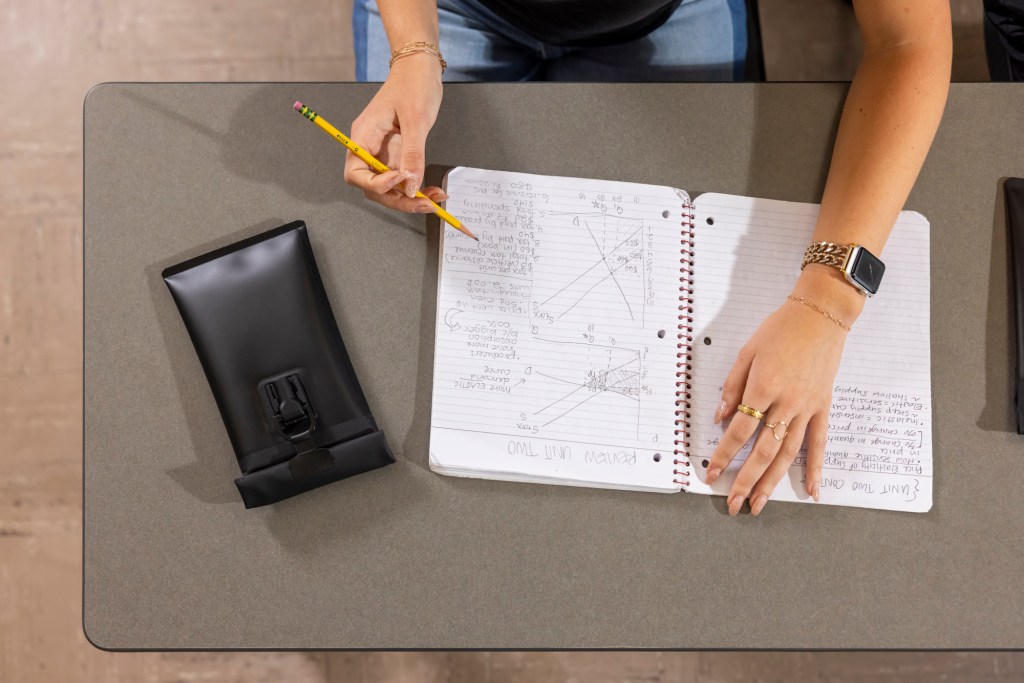
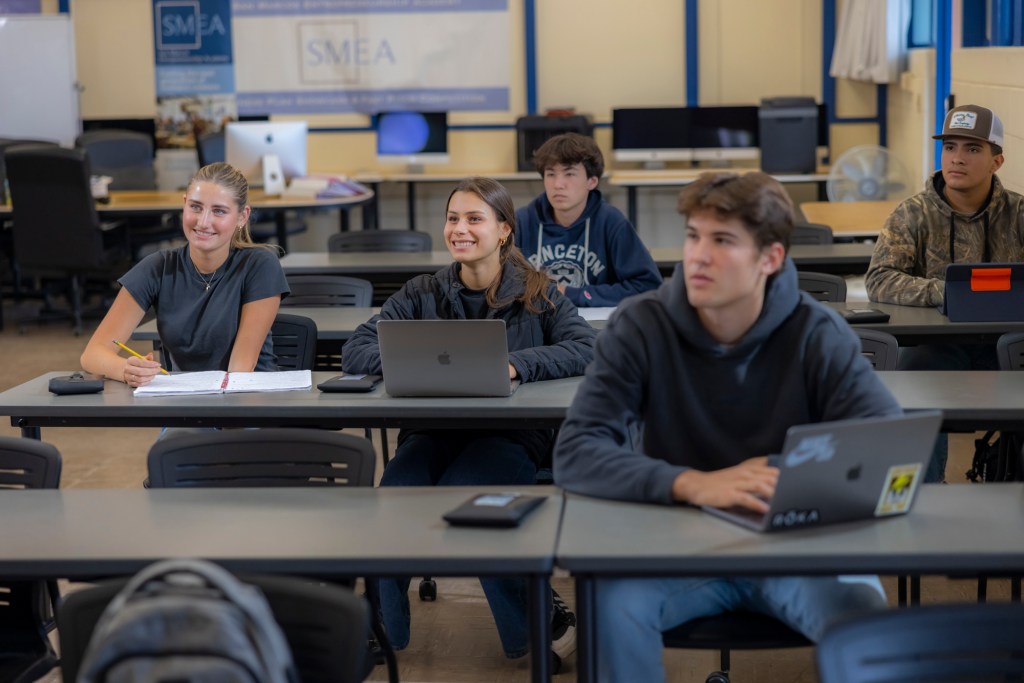
Generation Faraday offers an excellent solution to this challenge by making tools like Faraday bags easily accessible to schools. These bags allow schools to implement phone-free policies effectively, while still ensuring that students and families can stay connected during emergencies. With Generation Faraday’s practical and easy-to-deploy tools, schools can create environments where students are less distracted by technology and more focused on learning.
Understanding the Impacts of Cellphone Use
The department’s recommendations come alongside growing research on the effects of mobile devices and social media on students. While cellphones can provide vital communication between students and their families, especially in emergencies, they also pose risks to student well-being. Social media usage, in particular, has been linked to issues such as sleep deprivation, increased anxiety, and depression. These concerns are echoed in Jonathan Haidt’s The Anxious Generation, where he explores how the rise of social media and digital connectivity has contributed to a sharp increase in mental health challenges among young people. Haidt’s work underscores how constant exposure to social media and digital content can exacerbate feelings of isolation, anxiety, and depression, creating a generation of students more prone to emotional distress.
“In this digital age, every elementary, middle, and high school should have a clear, consistent, and research-informed policy to guide the use of phones and personal devices in school,” Cardona said in his statement.
Partnering with Generation Faraday to Create Phone-Free Learning Environments
As the national conversation on cellphone use in schools grows, Generation Faraday is taking action to support schools and districts in implementing effective solutions. By partnering with communities and leveraging innovative tools, Generation Faraday aims to reduce cellphone distractions and promote focused, engaging learning environments.
Our approach is simple yet transformative: we provide resources like signal-blocking Faraday bags and collaborative guidance for schools to enforce phone-free policies effectively. These tools empower schools to tackle the challenges of cellphone overuse without compromising student safety or communication during emergencies.
The movement is spreading rapidly, infiltrating state by state, as Generation Faraday works alongside educators, policymakers, and parents to address the growing concerns surrounding mobile devices in schools. By aligning our efforts with the U.S. Department of Education’s recommendations, we ensure that each community receives tailored solutions to meet their unique needs.
With every state we partner with, Generation Faraday is paving the way for a nationwide shift toward healthier, more focused educational environments. Our mission doesn’t stop at policy development; it includes empowering schools with practical tools and creating a culture of mindful technology use. Join us as we drive meaningful change, one school at a time, to ensure that students can thrive academically and socially, free from unnecessary distractions.