
While cell phones offer benefits like access to information and communication, they also pose significant challenges to students’ focus, mental health, and overall learning. Educators and parents strive to create environments where students can concentrate, engage with their studies, and foster meaningful academic experiences. Enter Generation Faraday—a movement using Faraday bags to create signal-free zones in classrooms. By reducing the impact of cell phones during school hours, Generation Faraday is revolutionizing learning environments and helping students thrive in distraction-free settings. Dive in to discover the power of faraday bags.
What Are Faraday Bags and How Do They Work?
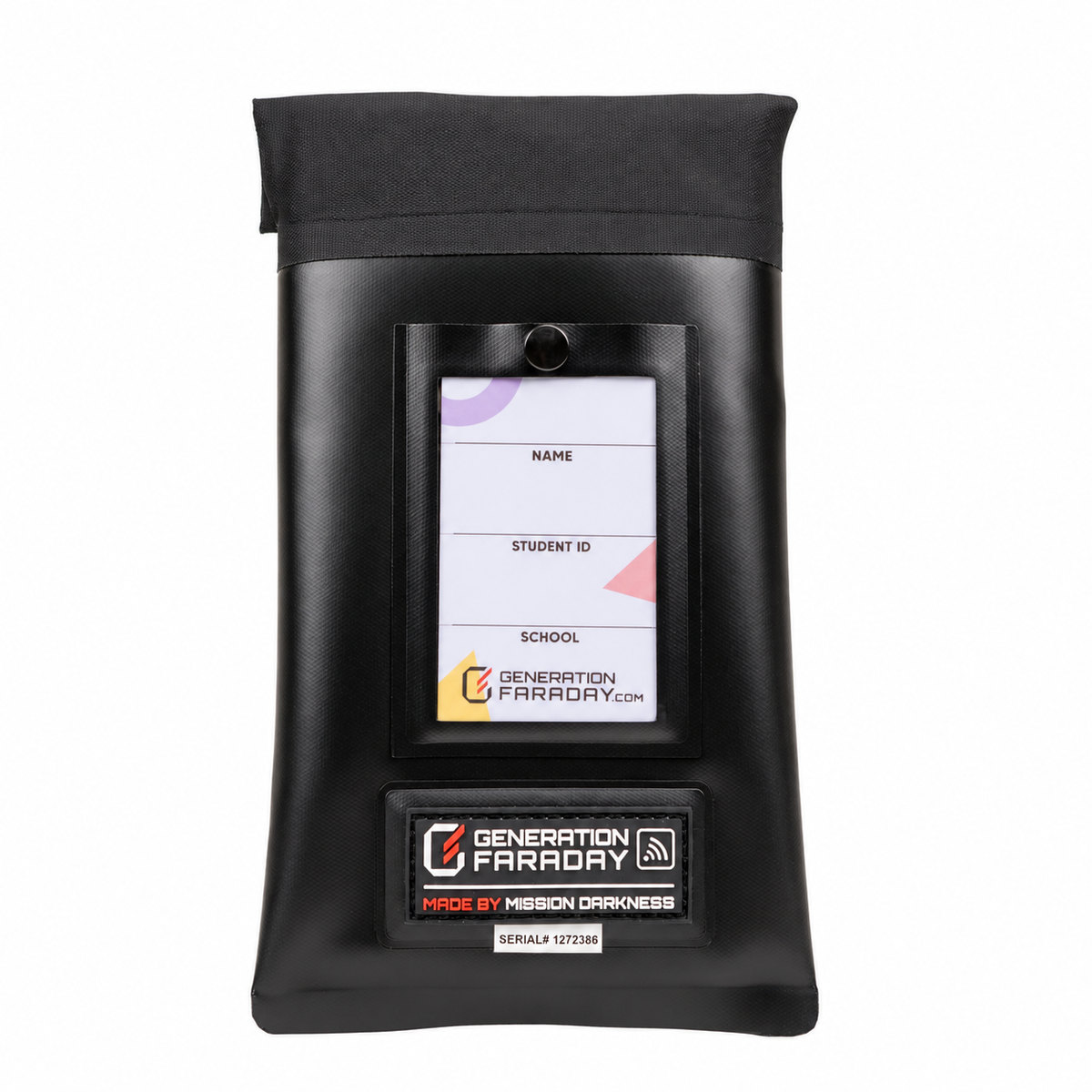
Faraday bags are specially designed pouches made from materials that block electromagnetic signals, including those used by cell phones. When a phone is placed inside a Faraday bag, it cannot send or receive calls, messages, or access the internet. Essentially, the bag creates a “signal-free zone” for the phone, ensuring students remain focused without interruption.
Different types of Faraday bags exist, including magnetic and locking varieties. Locking bags are particularly useful in classrooms, as they can be unlocked with a key or wall station, allowing teachers to manage phone usage while maintaining flexibility. These portable bags enable students to bring them to and from school. They can use them during class to stay focused and at home to store phones while doing homework or spending time with family, promoting a balance between education and personal life.

The Impact of Cell Phone Distractions on Learning and Mental Health

Cell phone distractions significantly hinder learning. Studies show that frequent phone use during school hours affects students’ ability to focus, leading to lower academic performance. Interruptions from social media, text messages, and notifications disrupt the flow of learning, preventing students from fully absorbing lessons.
Beyond academics, the mental health implications are profound. In The Anxious Generation, Jonathan Haidt examines how smartphones contribute to rising anxiety, depression, and stress among young people. Constant connectivity and the pressures of social media can lead to feelings of inadequacy, loneliness, and being overwhelmed.
Generation Faraday aims to help break the cycle of digital distraction, fostering environments where students are more focused and less stressed. Removing constant notifications allows students to be more present, improving mental well-being and promoting healthier relationships with technology.
Creating Signal-Free Zones in Classrooms
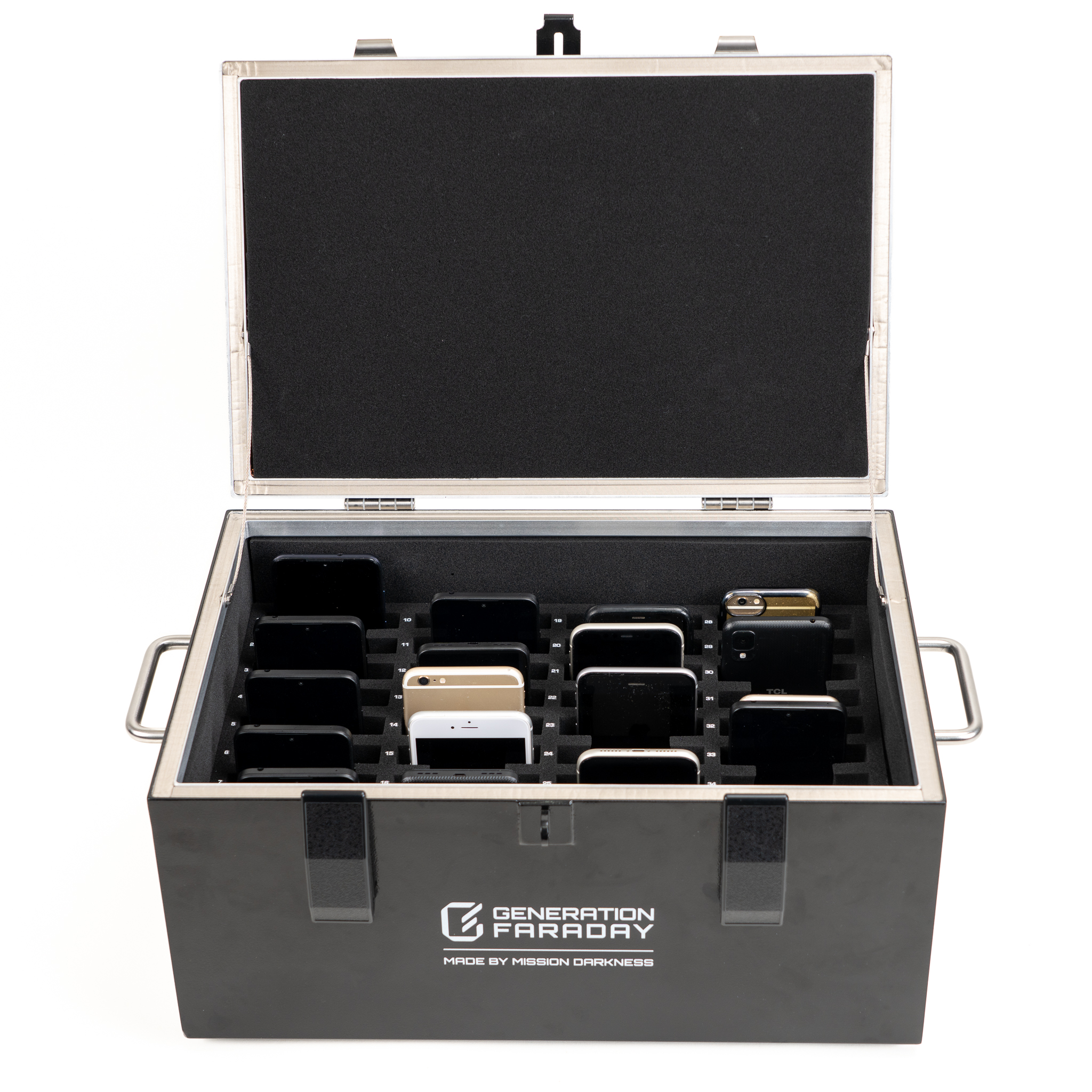
Faraday bags create signal-free zones that reduce distractions during lessons, quizzes, or discussions. When students place their phones in these bags, they concentrate better, participate actively, and retain information more effectively. Teachers benefit as well, as classrooms become more engaging and focused, enhancing the overall learning experience.
By eliminating phone distractions, educators can foster collaboration, attention, and absorption of content, resulting in a more productive educational environment. Students develop better academic habits and are more likely to succeed.

Join the Generation Faraday Movement
Generation Faraday invites educators and parents to adopt Faraday bags as a simple yet effective tool for reducing distractions in schools. Affordable and easy to use, these bags address a high-tech problem with a low-tech solution. Schools that have implemented this approach report improved concentration, better academic performance, and reduced stress among students.
Faraday bags are more than just signal blockers—they are part of a larger movement aimed at creating healthier, more focused learning environments. By reducing distractions, students can fully engage in their studies, build strong academic habits, and safeguard their mental health.
The future of education depends on adapting to the challenges of the digital age. Generation Faraday is leading the charge, helping schools reclaim classrooms as spaces for learning and growth. Together, we can create the focused learning environments our students need to succeed.