
In 2024, Delaware allocated $250,000 for a pilot program to encourage phone restrictions, aiming to improve student focus and reduce distractions. This initiative, established through Senate Bill 326, acknowledges growing concerns about the impact of cell phone use in Delaware schools in regards to academic performance, mental health, and classroom engagement.
Legislative Action and Future Implications
Senate Bill 326, signed into law in 2024, provided funding for this pilot program to assess the role of mobile devices in education. The Delaware Department of Education will evaluate its impact, with a report due on May 1, 2025. The findings could shape future policy decisions, potentially leading to more standardized regulations across the state. If proven effective, this program may serve as a model for other states considering similar measures. Schools participating in the pilot program are expected to implement structured phone policies and provide feedback on student performance, engagement, and classroom behavior.
The Push for Phone-Free Learning
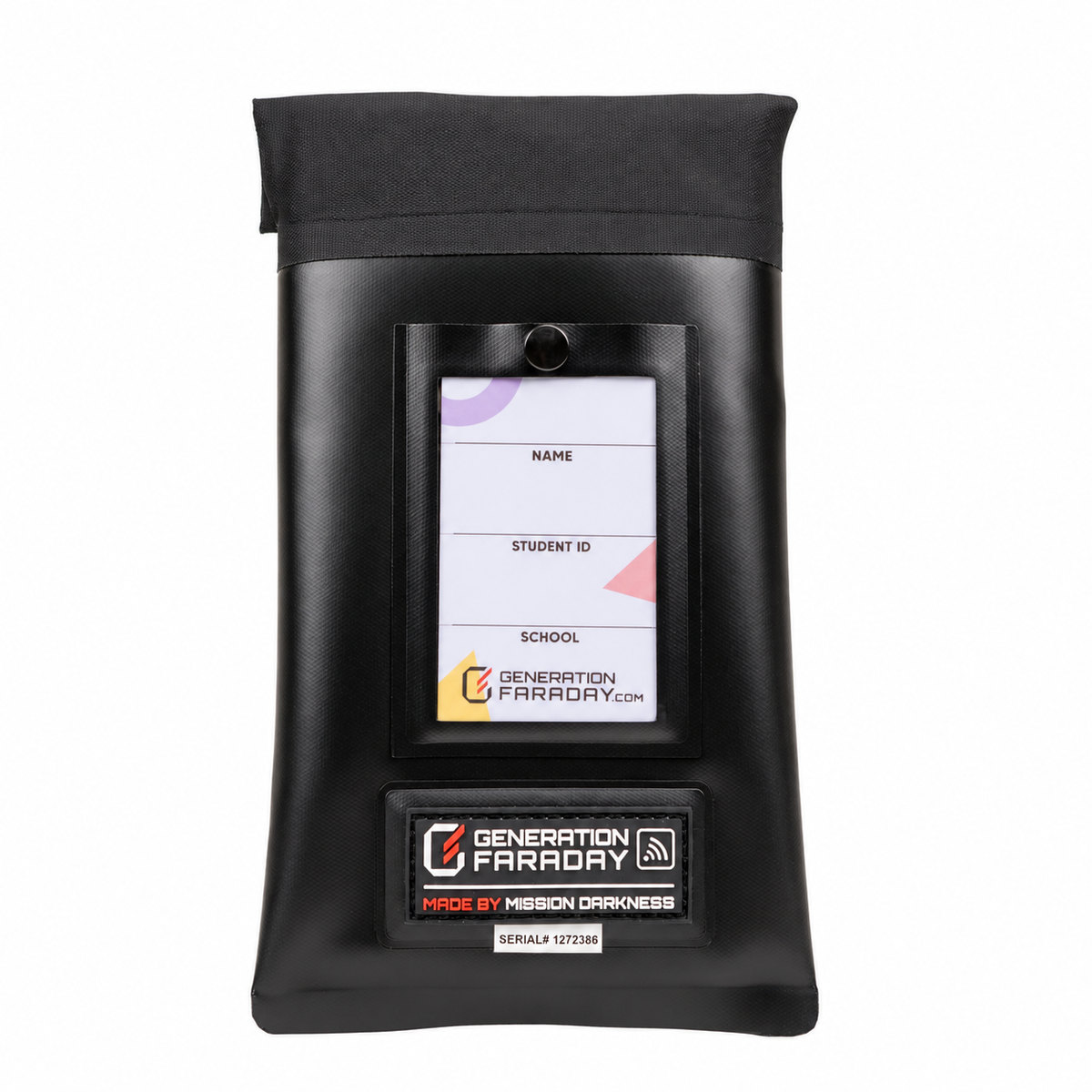
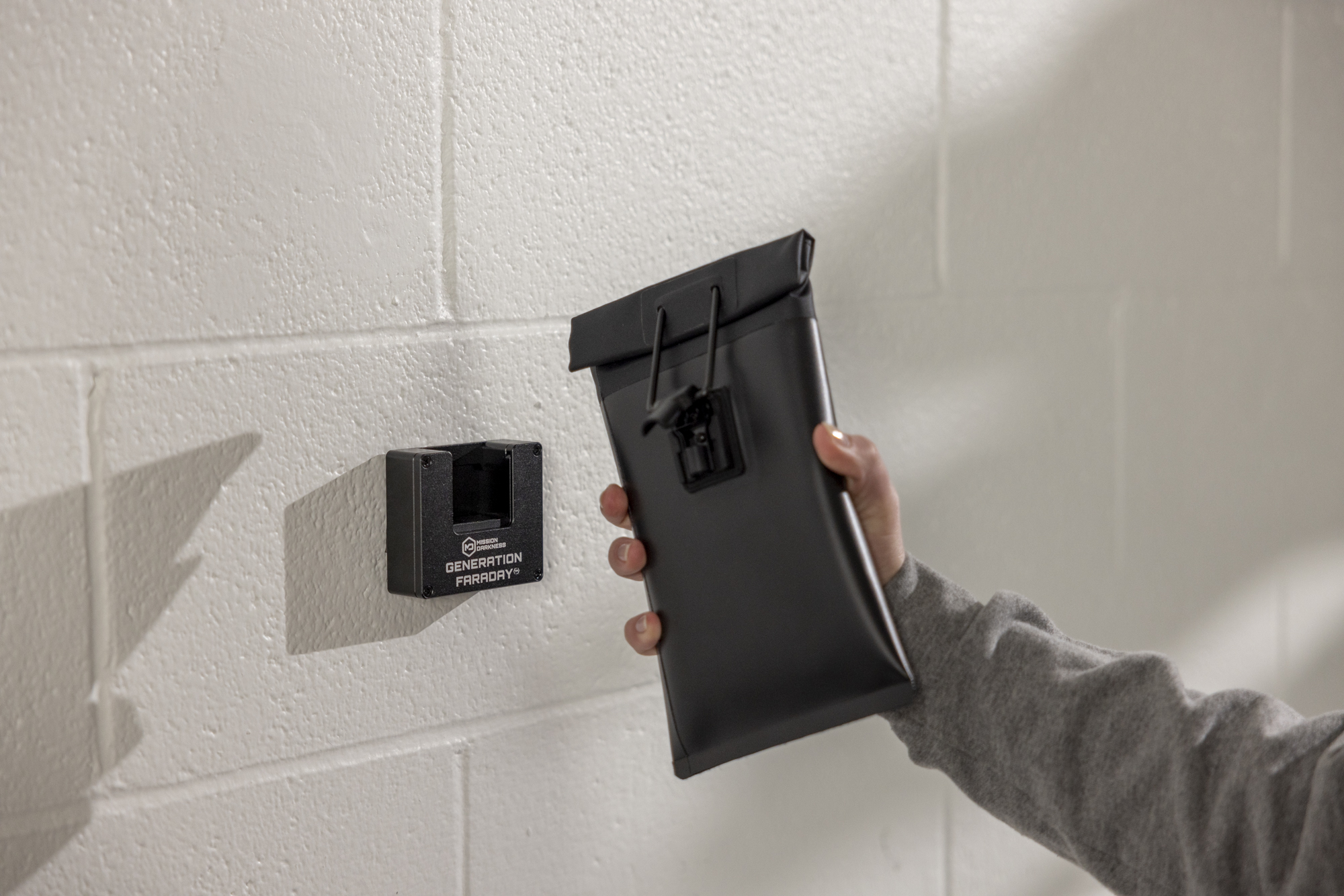
Delaware’s initiative aligns with a national movement toward limiting classroom phone use. Organizations like Generation Faraday advocate for structured phone restrictions, offering solutions like signal-blocking Faraday bags to help schools enforce policies effectively. These tools allow students to keep their devices while ensuring they remain unused during instructional time, fostering better focus and minimizing digital distractions.
What This Means for Schools and Parents
For now, Delaware schools maintain control over their phone policies, and implementation varies. However, the pilot program provides an opportunity to study the real-world effects of phone restrictions on learning environments. Educators, parents, and policymakers will closely monitor the outcomes to determine the best approach to balancing technology use and academic success.
Parents and educators who support stricter phone policies may find reassurance in the growing body of research supporting phone-free learning. Conversely, those who advocate for a balanced approach may view this as an opportunity to explore solutions that maintain access to technology while minimizing distractions. Generation Faraday offers a solution for both perspectives.
As Delaware’s Department of Education evaluates the program, its findings could influence future school phone policies statewide. Whether this leads to a broader ban or more structured guidelines, the goal remains the same: to create a more focused and productive learning environment for students.