
As the use of cell phones continues to rise among students, the debate over whether they should be allowed in classrooms has gained significant attention. Recent legislative moves have sparked a conversation about limiting phone usage in schools in Tennessee to enhance the learning environment.
Tennessee’s Legislative Push: A Bill to Limit Cell Phone Use in Classrooms
In 2024, Representative Scott Cepicky introduced a bill aimed at limiting cell phone usage in Tennessee classrooms. The bill is designed to restrict students from using their phones during instructional hours, with exceptions for emergency situations. The bill has garnered attention from both supporters and critics, reflecting the ongoing debate about technology’s role in education.
The purpose of the bill is clear: to create a more focused, distraction-free environment for students. Proponents argue that cell phones are often a major source of distraction, preventing students from engaging fully with their lessons. With the rise of social media, texting, and gaming, some educators feel that phones in the classroom are contributing to academic underachievement.
The Pros and Cons of Cell Phone Limitations
While many believe that limiting cell phone use could lead to better academic outcomes, there are also concerns about the broader implications of such policies. Critics argue that phones can be important tools for learning and communication. For example, students may need to use their phones for research or access digital learning materials, and some may rely on them for emergency communication with family members.
Moreover, in today’s digital age, cell phones can also help students develop essential skills related to technology, time management, and communication. Critics of strict phone bans worry that such policies could hinder the development of these skills, which are increasingly important in both the academic and professional worlds.
School Districts Taking Action: Current Solutions for Phone-Free Environments
While legislative changes are still under discussion, some schools in Tennessee are already taking steps to address cell phone use. One approach involves pouches that securely lock phones away during class. Schools have implemented phone-free zones using such pouches to enforce policies that restrict phone access throughout the school day.
Generation Faraday: A Signal-Blocking Alternative for Schools
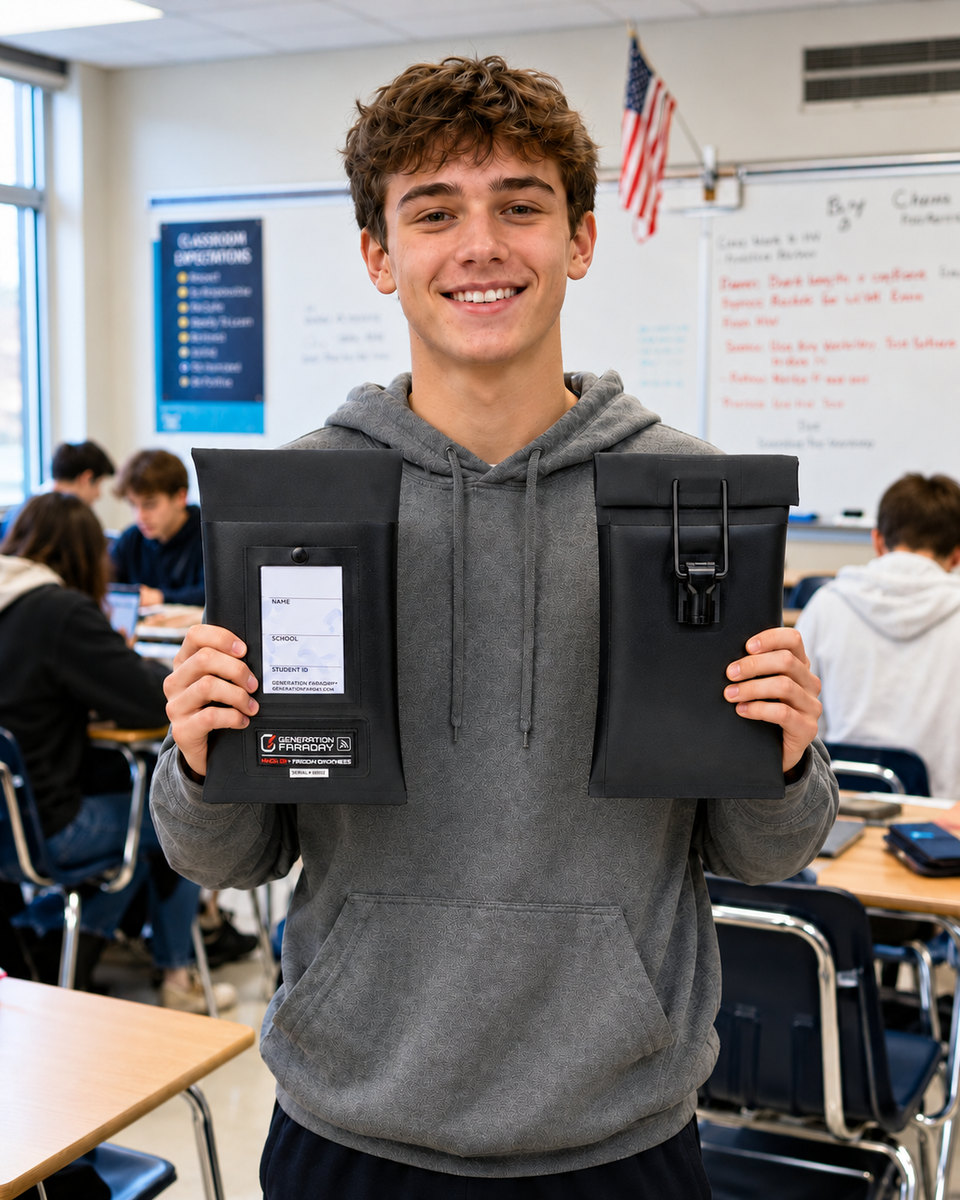
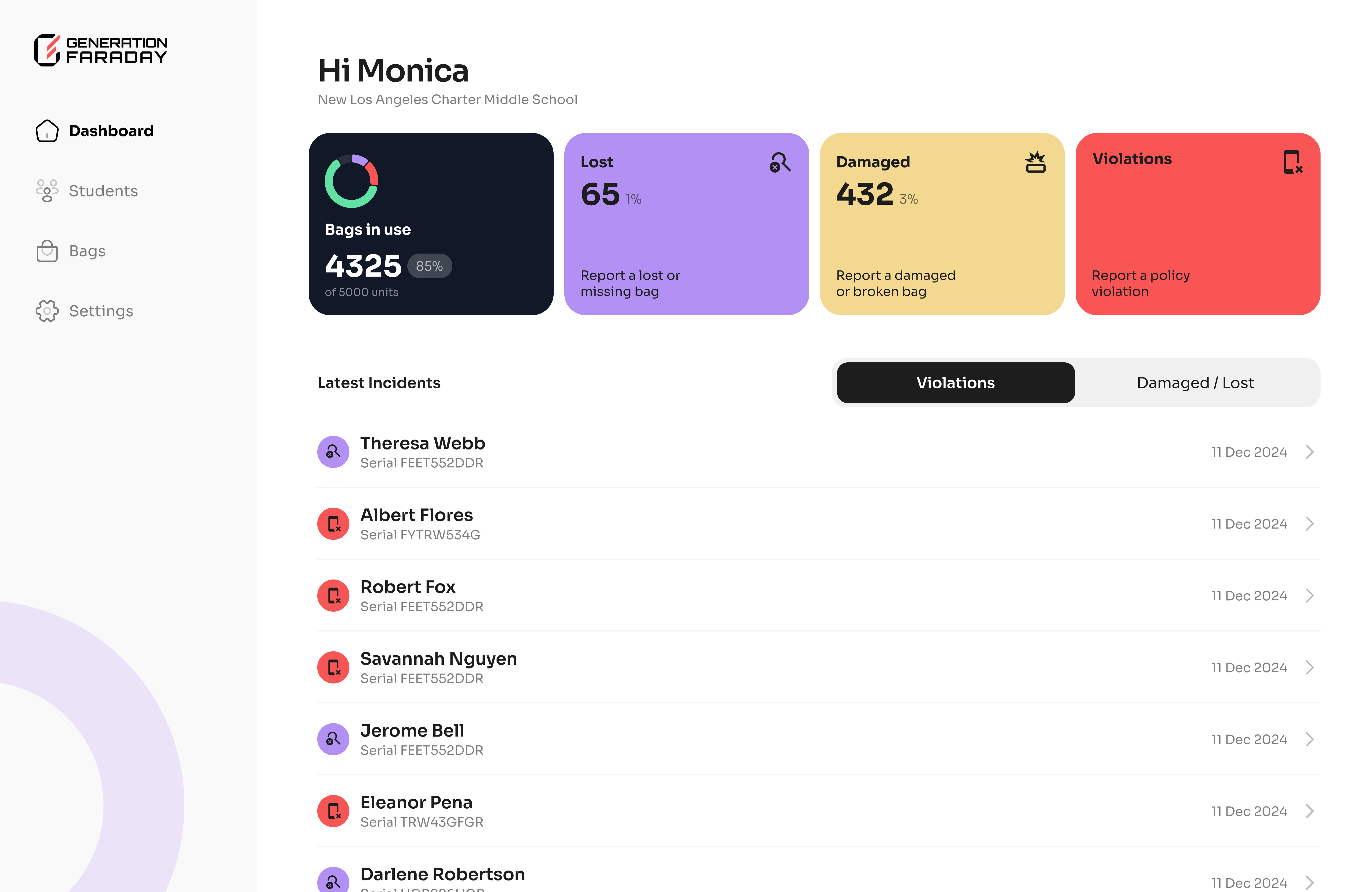
In contrast to solutions like locking pouches, Generation Faraday provides a more advanced approach to managing cell phone use. Generation Faraday bags are designed to block all signals, ensuring students cannot use their phones during school hours. This signal-blocking capability offers a more comprehensive solution to the challenges of phone-related distractions and encourages greater focus in classrooms.
These bags are especially beneficial for schools seeking a reliable and controlled method to enforce phone-free policies. By completely blocking signals, Generation Faraday bags prevent any phone use, promoting student engagement and reducing reliance on devices for communication or distraction. Additionally, the bags encourage in-person social interaction and collaboration among students.
In addition to the signal blocking feature, Generation Faraday offers a variety of bag types, including magnetic and locking designs, to meet diverse school needs. This flexibility makes it easier for schools to integrate the tool into their existing policies, offering a scalable and effective way to create focused learning environments.
As part of a broader initiative to minimize distractions in education, Generation Faraday is helping schools cultivate a more mindful, engaged learning atmosphere by ensuring phones are not a source of disruption.


Looking Ahead: The Future of Cell Phones in Schools
As Tennessee considers the implications of limiting cell phone use, it is clear that this issue will continue to evolve. With the rise of technology in education, finding a balance between promoting focus and allowing access to digital tools will be crucial. Schools may need to explore alternative solutions, such as designated phone-free zones, while still providing opportunities for students to use their phones in ways that support their learning.
Ultimately, Tennessee’s approach to regulating cell phone use will likely have a significant impact on schools across the state. By considering the pros and cons of such policies and examining how schools in Tennessee are already managing the issue, educators and lawmakers can make informed decisions that benefit students’ education and well-being.