
As the debate over cell phone use in schools intensifies, Colorado has become a focal point, with various districts taking different stances on whether and how students should be allowed to use their phones during school hours. The growing trend toward limiting phone access in classrooms reflects both concerns over distractions and a broader push for safer, more focused learning environments. However, it’s important to note that there are no mandatory statewide regulations at this time. Instead, Colorado School Cell Phone Use policies approach involves offering financial incentives to school districts that choose to restrict phone usage, leading to a district-by-district approach where regulations can vary widely across the state.
State-Level Incentives to Restrict Phone Use
As the debate over cell phone use in schools intensifies, Colorado has become a focal point, with various districts taking different stances on whether and how students should be allowed to use their phones during school hours. The growing trend toward limiting phone access in classrooms reflects both concerns over distractions and a broader push for safer, more focused learning environments. However, it’s important to note that there are no mandatory statewide regulations at this time. Instead, Colorado’s policy approach involves offering financial incentives to school districts that choose to restrict phone usage, which means the policies are still determined on a district-by-district basis.
While the state is offering $50,000 grants to districts that implement restrictions, districts have a significant degree of autonomy in how they apply these policies. Some may choose to implement strict bans on phone use during instructional time, while others may allow phones during lunch breaks or in certain classroom settings. Additionally, districts can decide the scope of enforcement, whether it applies to all grades or just specific age groups, and how to handle exceptions for students with special needs or those who require phones for safety or other reasons. This flexibility allows districts to tailor policies to their specific student body, community needs, and educational priorities, leading to a wide variety of approaches across the state.
District-Specific Policies: A Patchwork of Approaches
While the state is offering incentives, the decision on how to regulate cell phone use ultimately lies with individual school districts. For example, some districts, such as Boulder Valley, have taken a firm stand on restricting phone access, citing concerns over their impact on student attention and behavior. Boulder Valley’s policies aim to block student access to phones during instructional time, ensuring that students remain focused on learning rather than distractions from their devices.
In contrast, other districts may allow phones during certain periods, such as breaks or lunch hours, while implementing more stringent rules during instructional time. This flexibility in policy allows schools to tailor their approach to the needs and concerns of their specific student population and community.
Current Policies in Colorado’s Largest Districts

Image Reference: Chalkbeat
Legal Considerations and Student Rights

Alongside the push for stricter regulations, there are also ongoing discussions about the legal implications of restricting student phone use. The Colorado Attorney General’s office has highlighted the importance of balancing the need for a focused educational environment with students’ rights to access technology. This nuanced discussion underscores the complexity of crafting policies that are both effective in promoting learning and respectful of students’ rights to access technology and maintain privacy, without infringing on their personal freedoms. Finding a balance between these two goals requires careful thought and consideration of various factors.
How Generation Faraday Can Help Schools Ensure Compliance
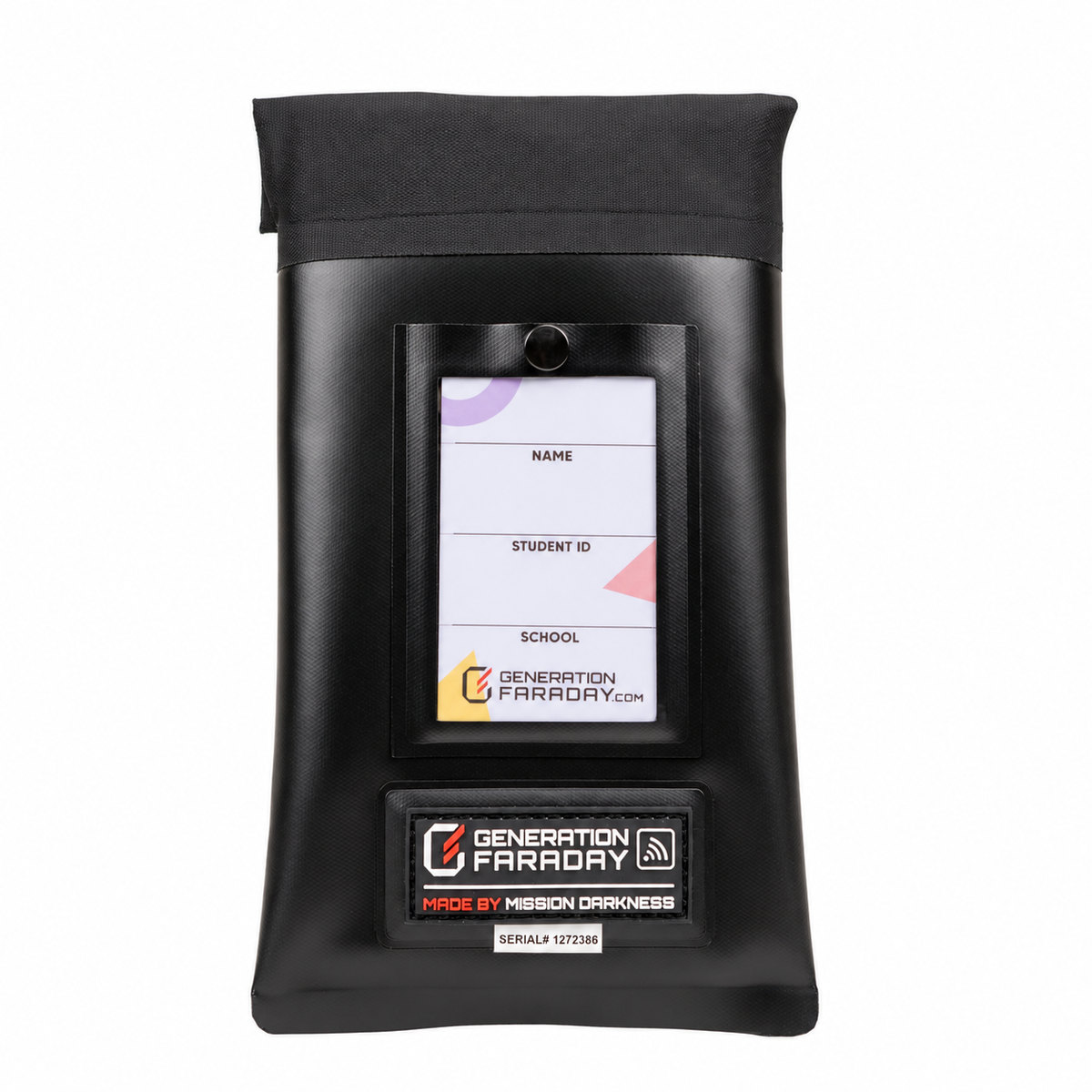
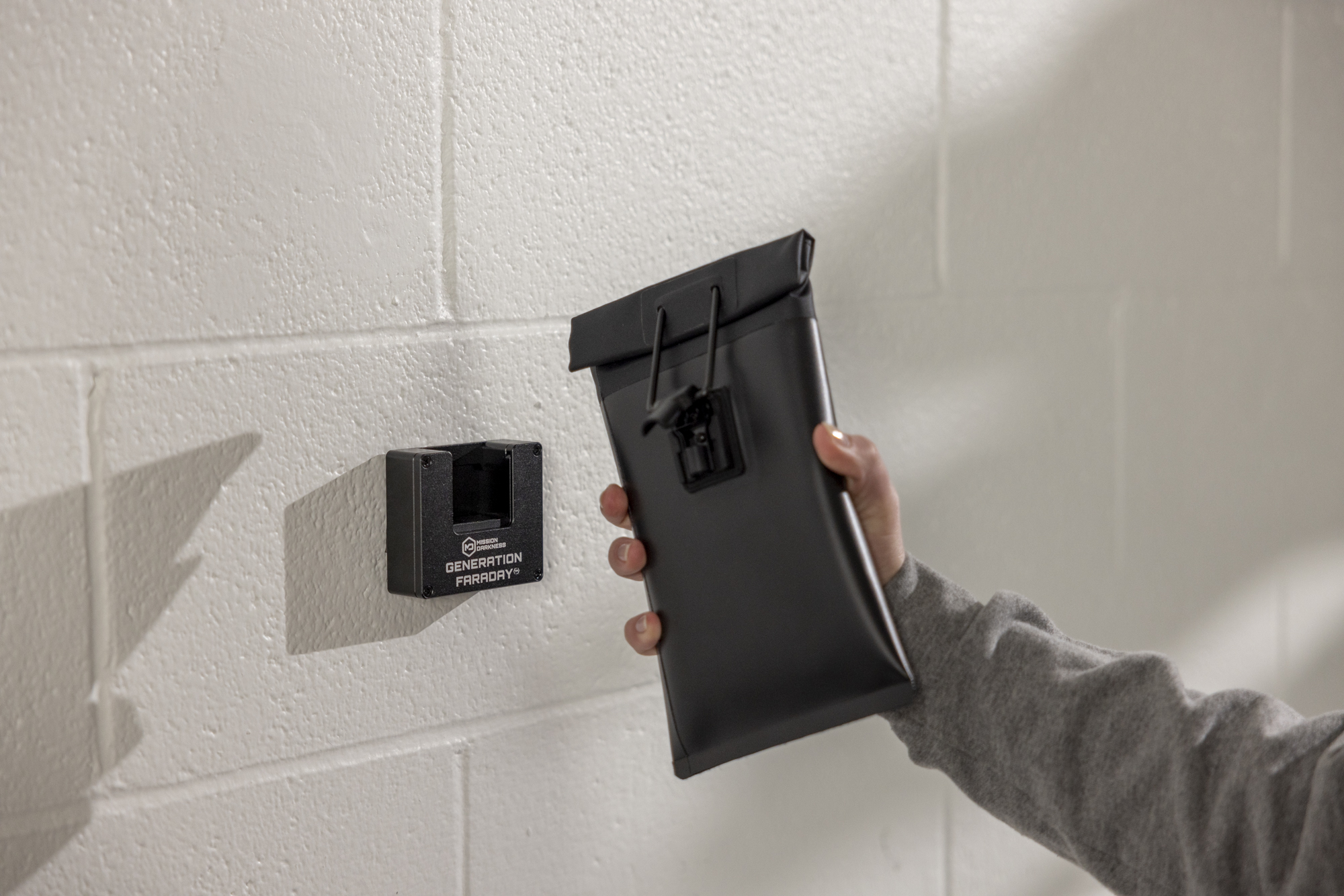
As schools across Colorado navigate these changing policies, tools like Mission Darkness Generation Faraday Bags can help school administrators maintain a balance between enforcing technology restrictions and respecting student rights. These bags offer a simple yet effective solution for ensuring that students are in compliance with phone usage policies. By securely blocking cell phone signals, the Faraday Bags make it easier for schools to monitor and enforce signal-free policies during class time, breaks, and other designated periods when phone use is prohibited.
With cell phone use policies evolving across the state, it’s more important than ever for schools to stay informed and adapt to these changes. By utilizing Generation Faraday Bags, schools can effectively manage technology use while fostering a focused and safe learning environment for all students.