
Cell phones in Massachusetts schools and across the US have become a major distraction in classrooms. Massachusetts is taking action to address the issue. With mobile device usage on the rise, the state has implemented policies and funding initiatives to help schools manage distractions and create a more focused learning environment.
The STUDY Act: Restricting Cell Phone Use in Schools
Massachusetts Attorney General Andrea Joy Campbell introduced the STUDY Act (An Act promoting Safe Technology Use and Distraction-free education for Youth) to curb student access to personal electronic devices during school hours. The legislation requires schools to enforce “bell-to-bell” policies that limit device use, with exceptions for accommodations.
Beyond restricting phone access, the STUDY Act emphasizes educating students on the negative effects of social media and introduces stricter regulations for platforms, including age verification, privacy protections, and limits on engagement. This initiative is part of AG Campbell’s broader effort to protect students from digital distractions and foster a more focused educational environment.
$1.3 Million in Grants to Support Schools
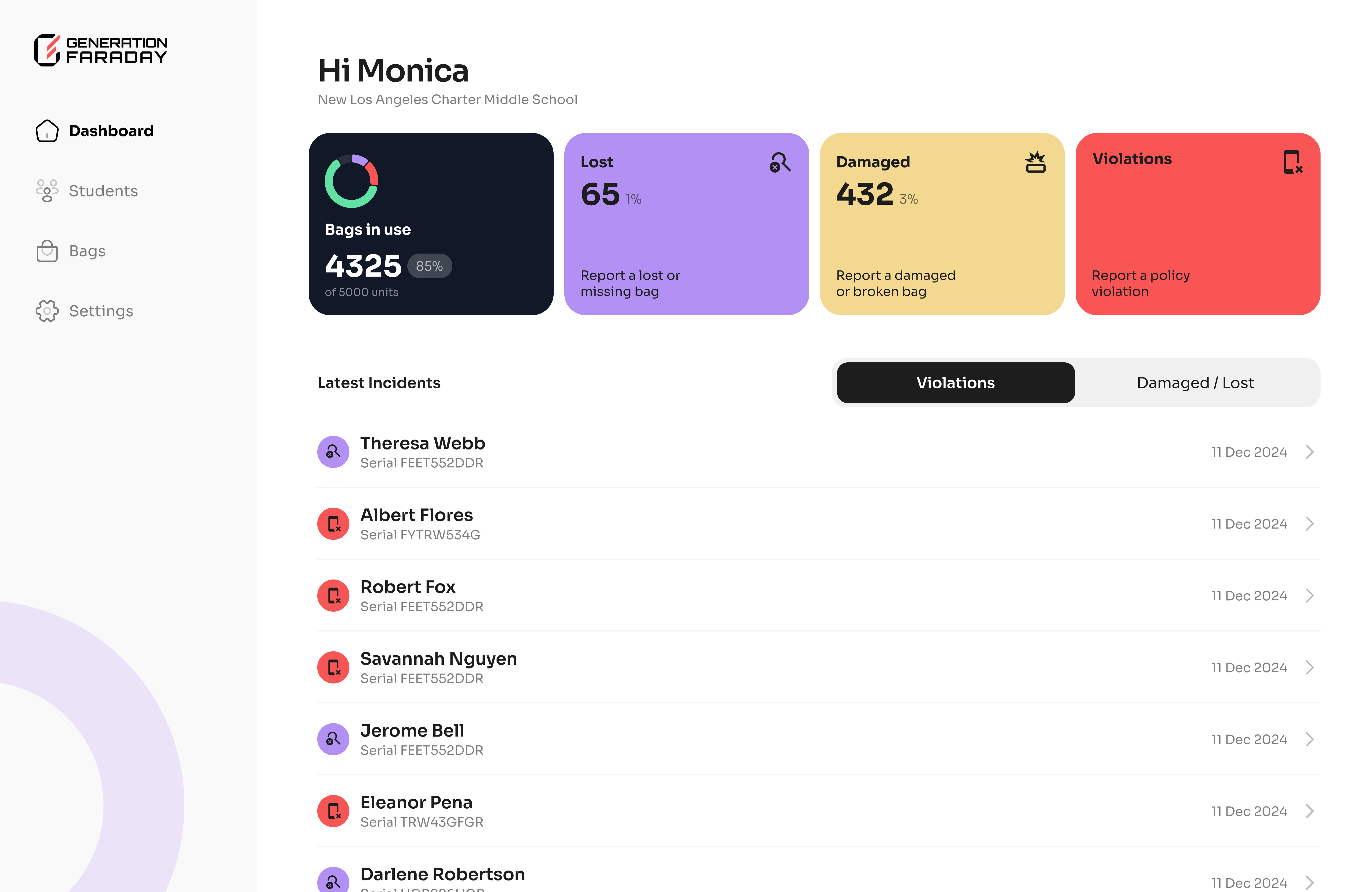
To help schools implement these policies, Massachusetts has allocated $1.3 million in grants for districts to develop secure systems for storing and managing student cell phones. These funds will assist schools in creating solutions that prevent phone use during instructional time, reducing disruptions to the learning process.
Additionally, the state has provided a toolkit to help school leaders and communities navigate the implementation of these policies. This resource outlines best practices and offers strategies for effectively addressing cell phone use in schools. [Access the toolkit here.]


Generation Faraday Bags: A Simple, Effective Solution
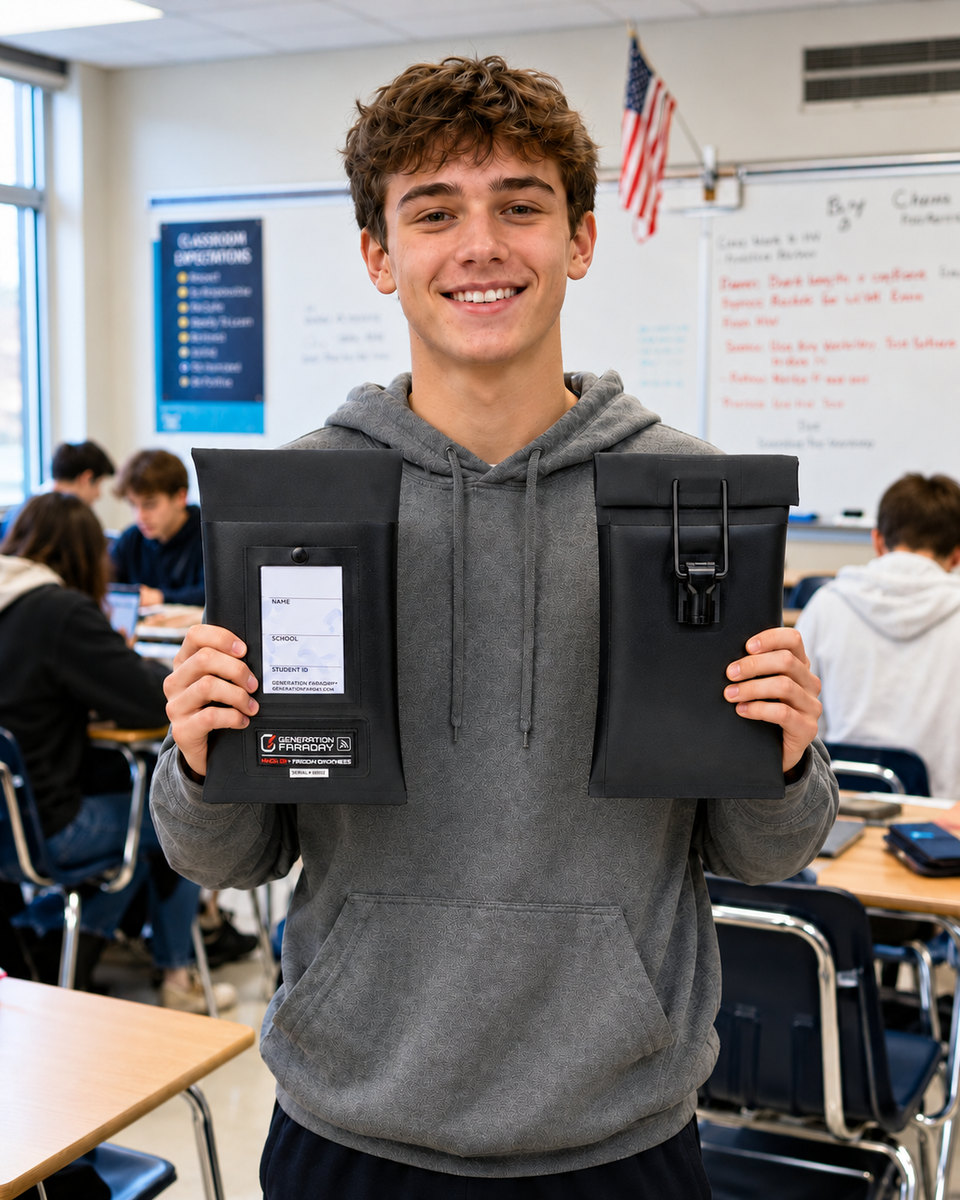
One solution gaining traction is the use of Generation Faraday bags, which block electromagnetic signals, preventing cell phones from sending or receiving messages while stored. These bags provide a secure way to ensure students remain engaged in class without the distraction of their devices.
Unlike traditional locking storage solutions, Generation Faraday’s signal-blocking bags take phone-free policies a step further by ensuring complete disconnection from digital distractions. Schools adopting these tools can create a structured, focused learning environment while offering a practical and secure way to manage student devices.
A Growing National Movement
Massachusetts’ efforts reflect a larger nationwide push to regulate cell phone use in schools. As the U.S. Department of Education continues addressing digital distractions, more states may follow suit, making solutions like Generation Faraday bags a standard part of school policies.
By combining clear policies, financial support, and innovative solutions, Massachusetts is leading the way in balancing technology use while maintaining an engaging, distraction-free educational environment. This initiative not only benefits students and educators but also sets an example for other states looking to implement similar measures.