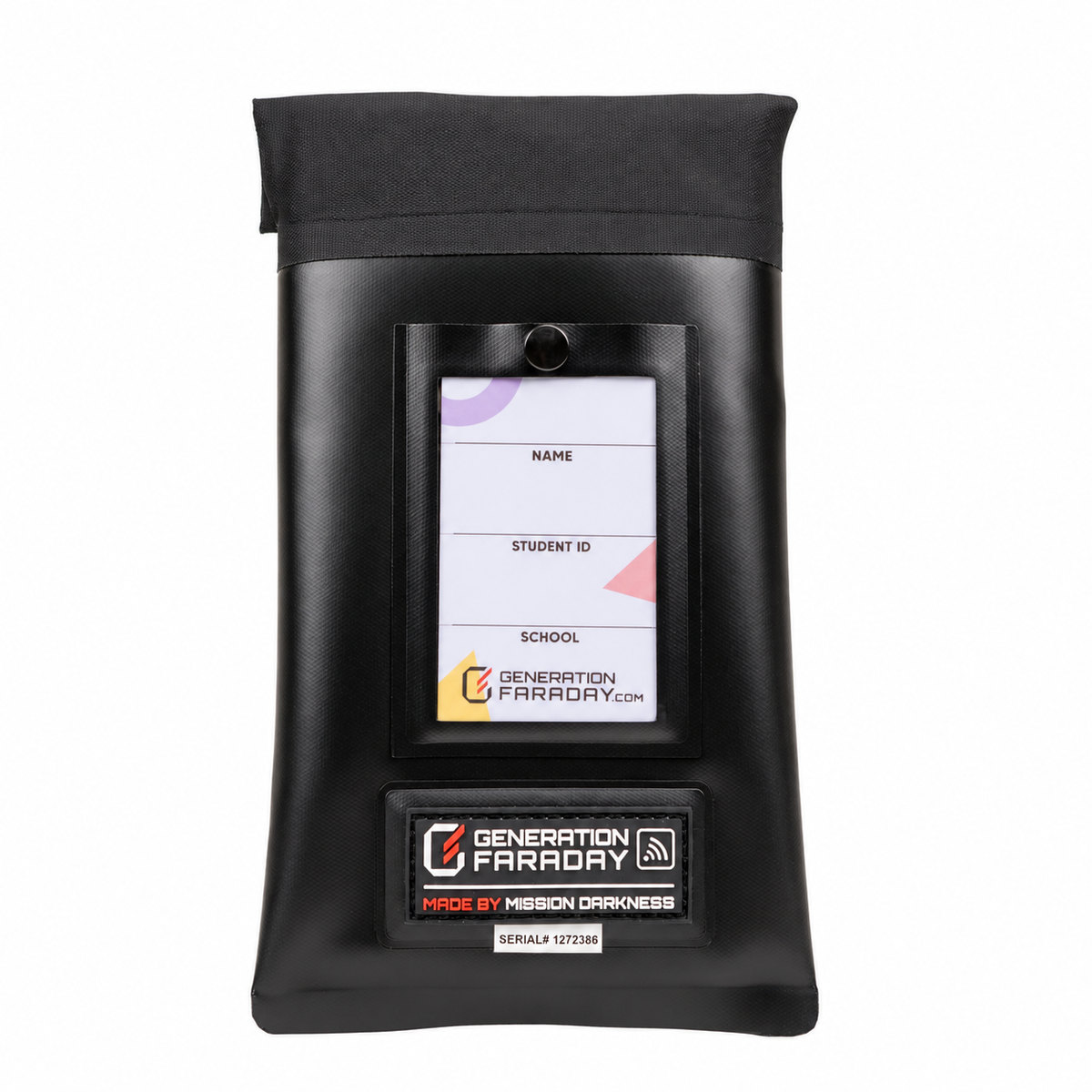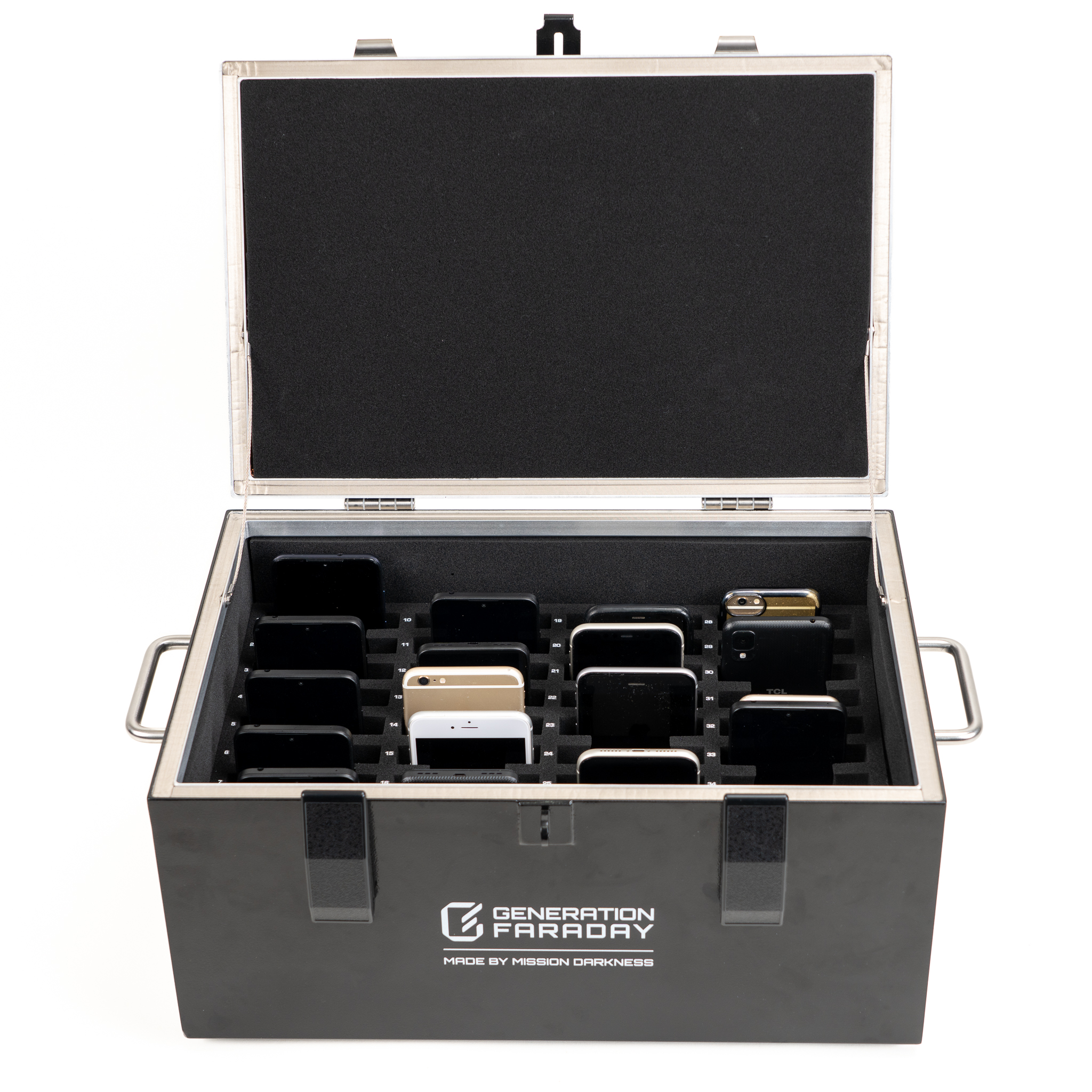

Jonathan Haidt’s The Anxious Generation reveals the profound impact of smartphones on young people’s mental health and focus. In schools, the consequences are particularly dire: constant distractions, reduced engagement, and lost instruction time. To combat these challenges, Haidt advocates for a reimagining of technology’s role in education. One practical solution aligns perfectly with his vision: Generation Faraday Bags by Mission Darkness. These signal-blocking, locking pouches help educators in reclaiming the classroom, allowing students to thrive in a focused, anxiety-free learning environment.
The Problem: Smartphones are stealing the classroom

Haidt’s research highlights the damage smartphones inflict on education:
- Lost Instruction Time: Teachers lose up to 10 minutes per class managing phone-related distractions, amounting to 50 teaching hours lost daily in a mid-sized school.
- Social Pressure: Constant notifications and social media drive heightened anxiety, particularly in adolescents.
- Reduced Engagement: Phones erode attention spans, hindering active participation in lessons.
Schools face the uphill battle of balancing technology’s benefits against its overwhelming distractions.
The Solution: Generation Faraday Bags

Generation Faraday Bags offer a practical way to eliminate smartphone distractions in the classroom. Combining Faraday technology with a secure locking mechanism, these bags make phones completely inaccessible during class time.
How They Work
- At the start of class, students place their phones in the locking Faraday bags, which block all signals (Wi-Fi, Bluetooth, cellular), rendering the phones completely unusable—no distracting rings, dings, or notifications.
- Phones remain locked until students exit the classroom, where they can unlock their bags at one of three conveniently placed unlocking stations or with a handheld magnetic key, offering flexibility and ensuring a smooth and efficient departure.
The Benefits
Generation Faraday Bags directly address the concerns raised by Haidt, delivering measurable benefits:
- Reclaiming Instruction Time: Teachers can focus on teaching rather than managing the constant disruptions caused by ringing phones, dinging notifications, or students sneaking peeks at their devices. Over the course of a school year, this translates to thousands of hours of reclaimed learning time, allowing educators to dedicate their energy to helping students succeed.
- Reducing Anxiety—for Teachers and Students: Signal blocking completely neutralizes smartphones by ensuring they can’t be accessed, seen, touched, or heard during class. Students place their phones in the locking bags at the start of the lesson, rendering them entirely unusable. Teachers no longer have to worry about buzzing phones or sneaky distractions, creating a peaceful, focused classroom environment. Unlike other solutions that merely lock devices without disabling notifications, Generation Faraday Bags ensure true silence, restoring teachers’ peace of mind and creating a calm, productive teaching space.
- Cost-Effectiveness: Generation Faraday Bags combine functionality and scalability, making them an ideal choice for schools with tight budgets. They solve the dual problem of managing devices and ensuring quiet classrooms in an efficient and affordable way.
Real World Impact
Schools using Generation Faraday Bags report:
- Improved focus and participation in classrooms.
- Reduced behavioral problems linked to phone use.
- Noticeable decreases in students and teachers stress and anxiety levels.
These real-world outcomes demonstrate how Generation Faraday Bags align with Haidt’s call to action, helping schools create healthier, more productive learning environments.
Jonathan Haidt has highlighted the problem, and Generation Faraday Bags provide the solution. By integrating these tools, schools can reclaim teaching time, reduce anxiety, and foster thriving classrooms free from smartphone distractions.
The time to act is now. Join the movement to protect the next generation and transform classrooms into spaces of focus, engagement, and well-being.