
A District-Wide Commitment to Focus and Belonging
In a recent episode of The Superintendent Effect podcast, Dr. Julie Vitale, Superintendent of Oceanside Unified School District (OUSD), discussed her district’s approach to student wellness and digital balance.
For Dr. Vitale, mental health and focus go hand in hand, and technology habits play a major role in both.
Over the last several years, OUSD has invested in wellness centers, counseling programs, and family resources to support emotional well-being. But as phone use continued to climb, it became clear that even the best wellness initiatives struggled against constant digital distraction.
 Oceanside Unified School DistrictDr. Julie Vitale · quoted in this 2025 article
“We realized that students were receiving 80-plus interruptions an hour,” Vitale explained. “Those constant pings and alerts made it almost impossible to stay present in class.”
The Generation Faraday Pilot
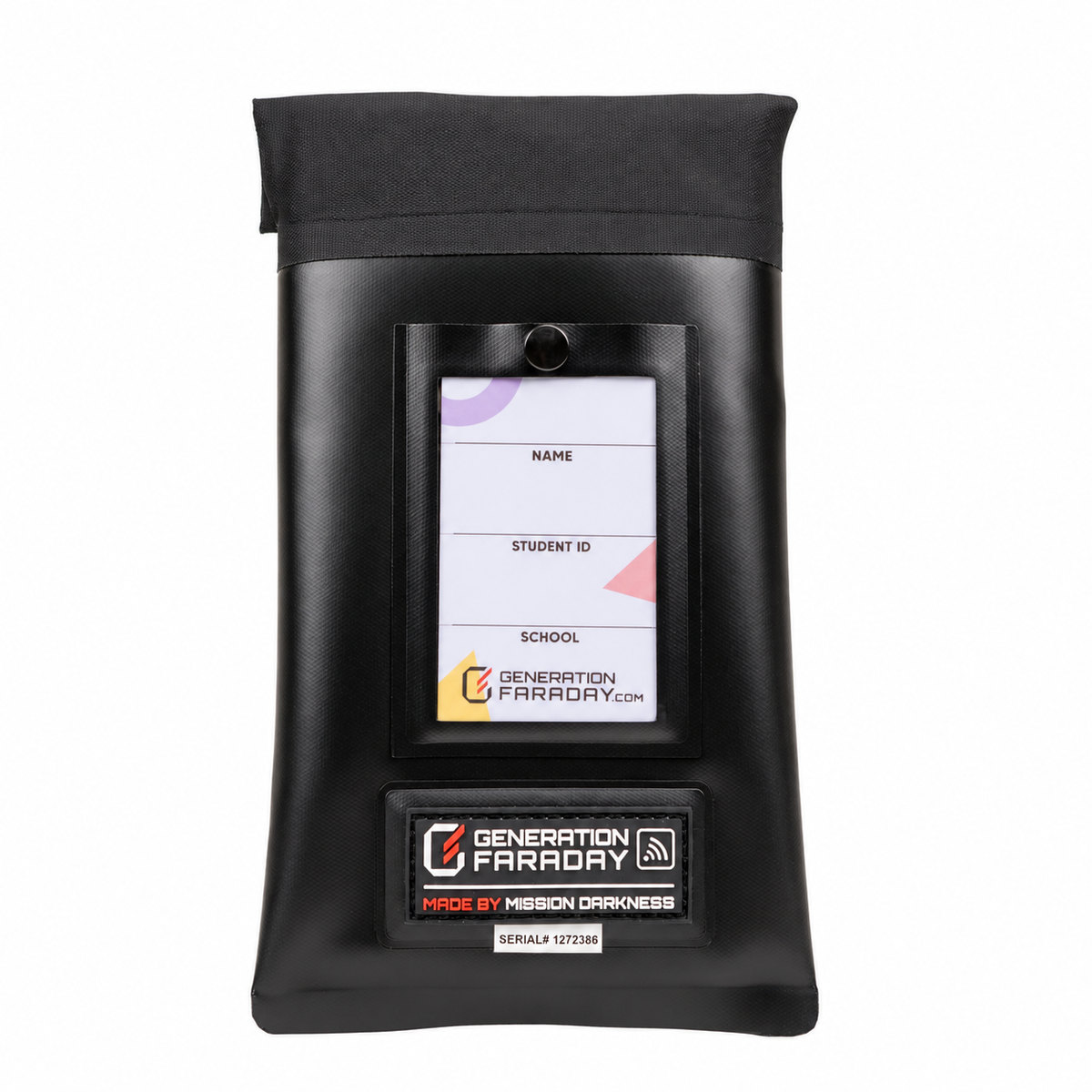
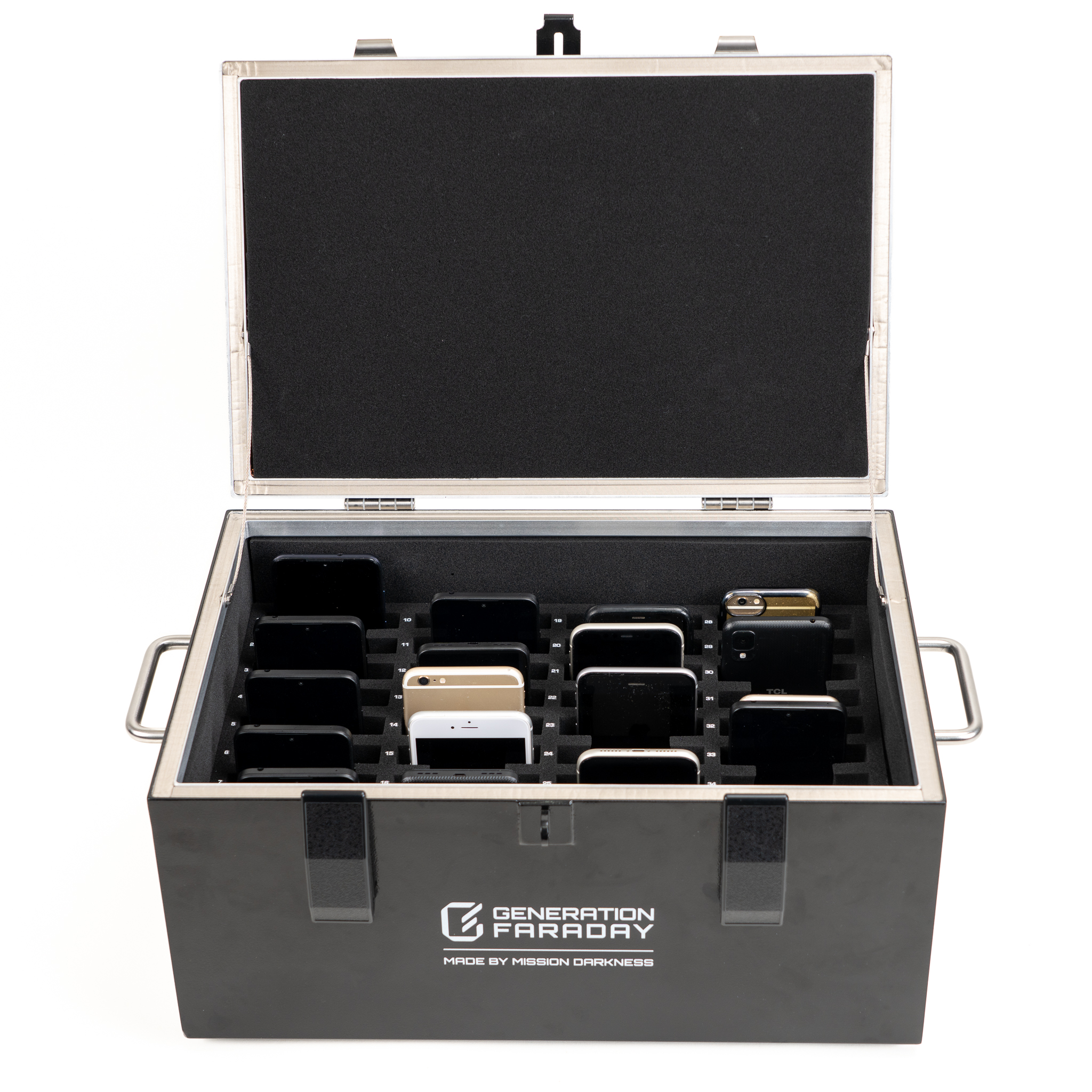
To address the issue, OUSD partnered with Generation Faraday, introducing locking, signal-blocking pouches at one of its alternative schools. Students keep possession of their phones, but the pouches block cellular, Wi-Fi, Bluetooth, and GPS signals throughout the school day.
Dr. Vitale says the response from students has been surprisingly positive.
Oceanside Unified School DistrictDr. Julie Vitale · quoted in this 2025 article“They weren’t mad. They said, ‘We get it. We can focus now.’”
According to Vitale, the initiative aligns perfectly with the district’s “Off and Away” policy but eliminates the constant enforcement burden on teachers.“It’s no longer a power struggle,” she noted. “Phones simply stop being part of the classroom dynamic.”
Leaders Felt the Difference Too
To better understand the experience, Vitale and her cabinet team tested the pouches during a leadership retreat.
Oceanside Unified School DistrictDr. Julie Vitale · quoted in this 2025 article“After an hour, everyone said the same thing; it relieved pressure,” she said. “You could actually focus without that constant pull toward your phone.”
That hands-on trial reinforced for OUSD’s leadership that digital discipline improves focus for adults and students alike, a finding echoed by research on attention and smartphone use.
Expanding the Model
Oceanside’s pilot program has gained attention from superintendents across the country. The district recently hosted a national mental-health and wellness retreat for education leaders, sponsored in part by Generation Faraday. Visitors saw the pouch system in action and discussed its potential for broader district adoption.
As Dr. Vitale summarized, “This isn’t about punishment — it’s about helping kids focus, learn, and connect again.”

Make Phone-Free Learning Work in Your School
See how Generation Faraday helps districts implement clear, consistent, non-punitive phone policies step by step.
Explore ImplementationKey Takeaways
- Phone-free doesn’t mean phone-confiscated. Students keep their devices; signals are simply blocked.
- Interruptions drop dramatically. Fewer distractions lead to better focus and engagement.
- The approach supports wellness. Reducing constant connectivity helps both students and staff recharge mentally.
- The model scales. The pouch system can integrate with existing “off and away” policies across K-12 environments.