
Vermont is introducing cell phone restrictions in schools through House Bill 54 , for the 2025-2026 legislative session. This bill aims to eliminate phone usage during the school day across public schools, independent schools, career and technical education centers, and more. It also seeks to ban communication with students through social media, marking a significant shift in how technology will be managed in Vermont’s educational settings.
What the Legislation Entails
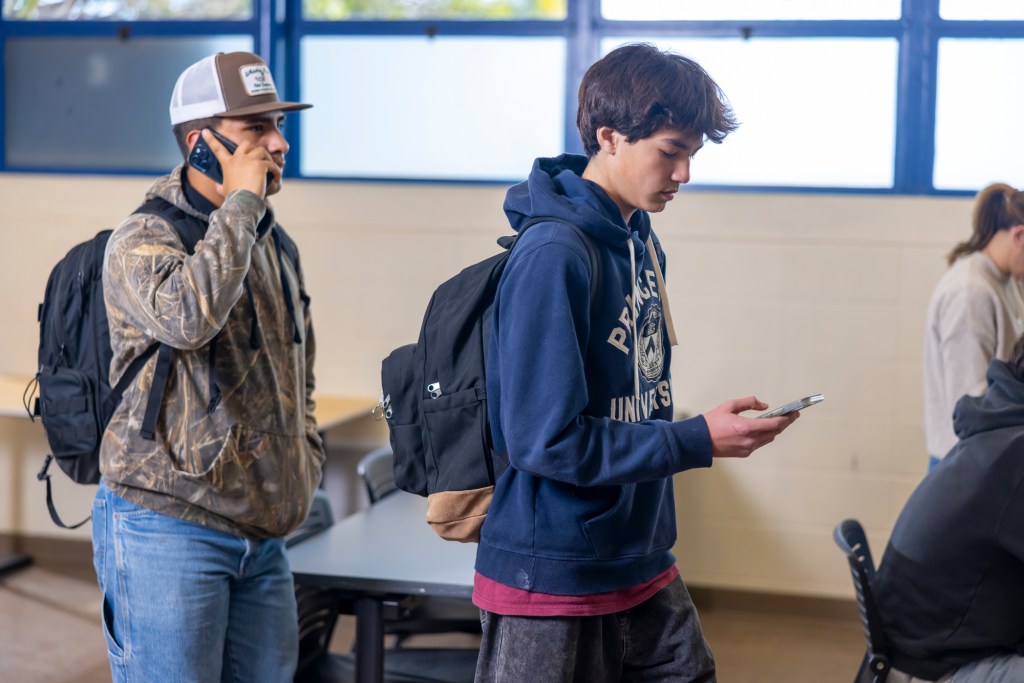
The proposed law would prohibit students from using cell phones and personal electronic devices from arrival until dismissal. This shift comes amid rising concerns over the distractions caused by these devices in the classroom, as well as their impact on student well-being and academic focus.
Additionally, the bill proposes restrictions on communication between schools and students via social media platforms, reinforcing the goal of reducing distractions and fostering more direct, face-to-face engagement. The intent is to help students focus on their studies and interact in healthier, more meaningful ways during school hours.
Why This Legislation Matters
The implications of H.54 are significant for Vermont’s educational landscape. By removing the constant presence of cell phones and personal devices, the state hopes to create a more focused, distraction-free environment for learning. Proponents argue that this will not only improve academic performance but also reduce the temptation for students to check their devices during class, leading to more engaged and productive learning experiences.
A key part of this initiative is to address growing concerns around student mental health, particularly the negative effects of social media. By restricting students’ ability to access these platforms during school hours, the bill seeks to reduce the pressure and distractions that come with constant connectivity.
Generation Faraday: Supporting a Distraction-Free Environment
As Vermont moves toward this new legislation, there’s a growing movement that aligns with the goal of minimizing distractions and fostering a more focused educational experience: Generation Faraday. Generation Faraday advocates for using tools like Faraday bags to support phone-free policies and reduce distractions in schools. These signal-blocking bags help keep phones out of reach during class, ensuring that students remain focused on their learning without the temptation of checking their devices.
Generation Faraday provides practical solutions to the issue of cell phone use, making it easier for schools to implement phone-free environments. By supporting policies such as Vermont’s proposed bill, Generation Faraday helps schools take a proactive stance on reducing digital distractions while promoting healthier, more engaged classroom settings.
What This Means for Schools and Students
If enacted, schools across Vermont will need to adapt their policies to comply with the new rules. This could include creating phone-free zones, as well as designing strategies for emergency situations where students might need access to their devices. However, the overarching goal is to ensure that schools foster an environment where students can focus on learning without the interruptions of technology.
Parents may also see this as a positive step toward safeguarding their children’s mental well-being. With fewer opportunities for students to engage in online activities during school hours, there may be a decrease in social media-related pressures and distractions. This bill aligns with the broader trend of creating more mindful, distraction-free spaces within educational environments.
Looking Ahead: The Future of Cell Phones in Vermont Schools
The passing of H.54 could mark a significant shift in how technology is managed in Vermont schools, and it may set a precedent for other states grappling with similar issues. As schools prepare to implement these changes, the focus will likely remain on striking a balance between leveraging technology for learning and ensuring that students are able to focus on their academic and personal development without the constant pull of digital distractions. Movements like Generation Faraday are already playing a key role in helping schools maintain this balance.